For coaches, clinics, tutors, therapists, trainers and consultants, the first appointment is rarely the valuable one. The value is in the second, the fifth and the twentieth: the client who comes back because the first session went well, because booking again was easy, and because you remembered what they told you last time.
Turning one-time callers into regulars is not about a single feature. It is about a handful of things done consistently: a clear menu of what people can book, an easy way to book the next visit, a simple way to pay in advance when that suits, reminders that keep people turning up, and a business that remembers each client. Cypher LM supports each of those steps.
This guide explains how to build repeat business with Cypher LM's appointment types, booking, payments, notes and contacts. It also covers the question many service businesses ask first, about selling packages of sessions, with a clear answer on what Cypher LM does and does not do.
Why repeat clients matter, and what keeps them
A new client costs time and money to win. They have to find you, trust you and take the first step. A returning client has already done all of that. Every return visit you secure without starting from scratch makes your business steadier and your calendar easier to fill.
Clients come back for straightforward reasons. The service helped them. Booking again was easy. They did not have to repeat their story every time. They felt remembered. And when they forgot, someone reminded them. The reasons clients drift away are the mirror image: a booking process that takes effort, a missed reminder, a session where nobody remembered the details from last time.
Most of those factors are operational, not clinical or creative. They depend on how well your business handles the work around each appointment: booking, reminding, preparing, recording and following up. That is exactly the work Cypher LM is built to take off your hands.
The rest of this guide follows a client's journey from their first booking to their regular visits, and shows what to set up at each step.
Build a clear menu of appointment types
The first step is making it obvious what people can book. In Cypher S, every service you offer is an appointment type, with a name, a duration, an optional price and currency, where it happens (in person with an address, a video call or a phone call), a description and a colour. Your agent offers these on calls, and they appear on your booking link.
A clear menu helps both first-time and returning clients. Separate the first visit from follow-ups where they differ, for example an "Initial assessment, 60 min" and a "Follow-up session, 30 min". Give each a description that says who it is for, what happens and anything to bring or prepare. Set a price where you have one, so the agent can answer questions about cost accurately.
Keep the list short. A caller should be able to hear the options read aloud without losing track, and a client on your booking page should be able to choose in seconds. If two types differ only in ways that do not matter to the client, merge them.
Use your hours and booking rules to protect your time. Set a gap around each booking for notes and preparation, a daily limit if you need one, and a minimum notice so nobody books a session that starts in ten minutes. These apply to every booking, from your agent or your link, so return visits fit around your working day without manual juggling.
Finally, think about the client's first experience of your menu. A new client is often unsure which appointment to choose. A clearly named first-visit type, with a description that says "Start here if this is your first visit", removes the guesswork, and your agent can recommend it to new callers. Once the client has been in, every later visit uses your follow-up types.
Make the next booking effortless
The easiest time to book the next session is at the end of the current one, and the second easiest is whenever the client thinks of it. Cypher LM covers both.
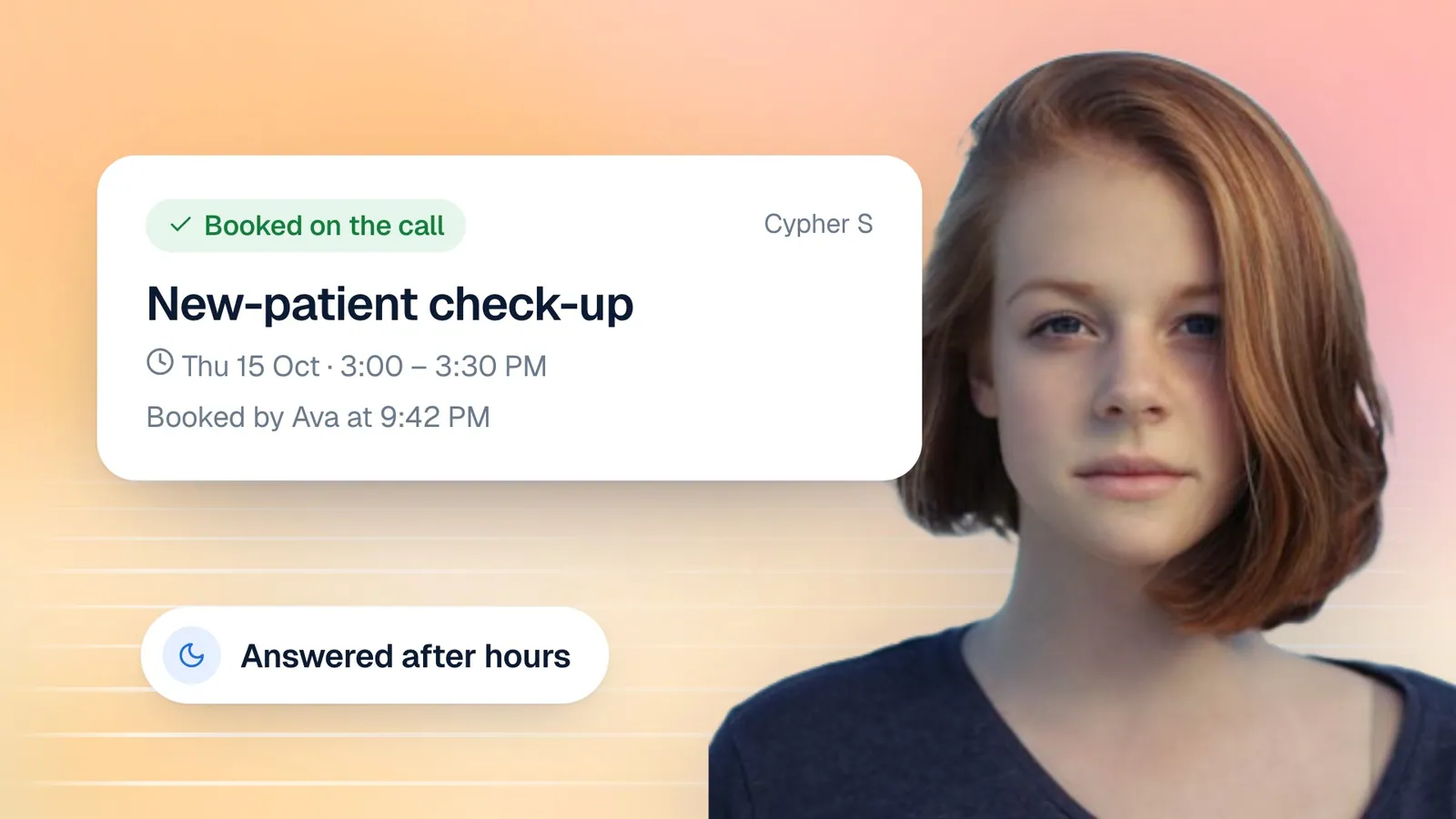
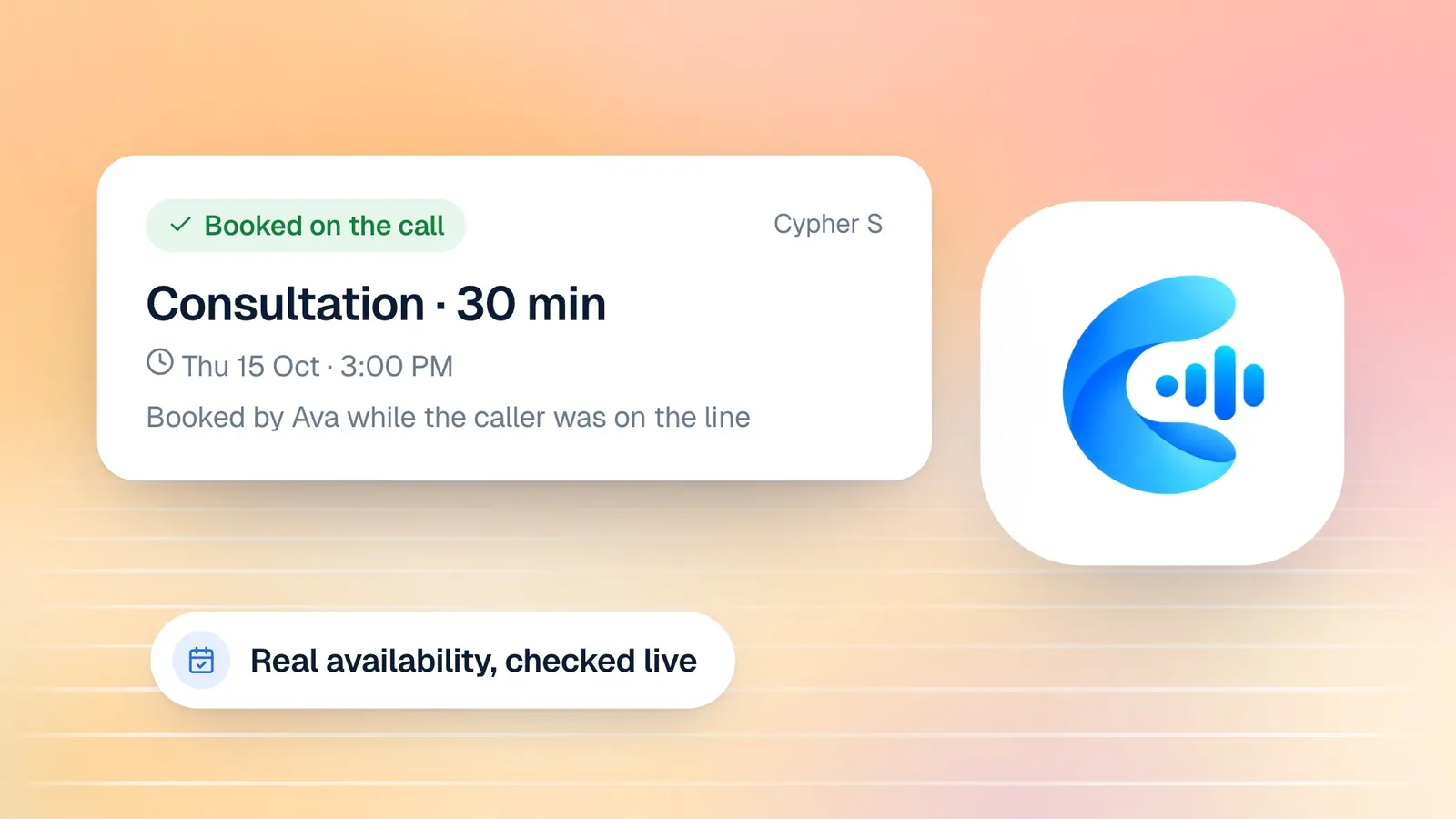
Your Cypher V agent can book return visits on calls at any hour. A client who calls on a Sunday evening to book their next session talks to the agent, which checks your real availability, offers times, confirms the details and books it, with a confirmation email and a calendar entry. The agent can also find a client's existing booking by their phone number or email, and move or cancel it if their plans change.
Your Cypher S booking link lets clients book themselves. Share the link for your follow-up appointment type at the end of each session, in your follow-up email, or in your email signature, and clients can choose their next time without contacting you. Our post on sharing your booking link covers where to place it.
Your team can also add a booking by hand for clients who book in person or by message. If you add an email, the client receives a confirmation. Use Book again from a past booking to rebook quickly with the same appointment type.
Selling multi-session bundles
Many service businesses sell sessions in bundles: five coaching sessions, ten physiotherapy visits, a month of tutoring. Bundles reward commitment, smooth out cash flow and give clients a reason to keep coming.
Cypher LM does not have a built-in package feature that tracks sessions remaining against a bundle. You can still sell bundles cleanly with what it does have. Create a fixed-amount payment link in Payments › Payment links, for example "5 coaching sessions" with the bundle price and a description of what is included and how long it is valid. Share the link with clients who want the bundle. When they pay, the payment appears in Payments with their details, and on their timeline in Contacts.
Then book each session as a normal appointment, using a follow-up appointment type. A private note on the client's contact, such as "Bundle of 5 paid on 3 October, 2 used", keeps your team clear on how many sessions remain. It is a manual step, but a short one.
| Model | How the client pays | How sessions are booked | Best for |
|---|---|---|---|
| Single sessions | At the visit, or a payment request per session | Each booked individually | Occasional clients, varied services |
| Prepaid bundle | A fixed-amount payment link for the bundle | Each session booked individually, tracked in contact notes | Coaching, therapy, tutoring, training programmes |
| Recurring subscription | Through a separate billing tool | Booked individually in Cypher LM | Ongoing memberships with monthly billing |
For individual deposits and payment at booking, our guide to collecting payments for appointments explains each option in detail.
Whichever model you choose, make the terms clear before the client pays: how many sessions the bundle includes, how long it is valid, and what happens to unused sessions. Put the terms in the payment link's description, so they are on the page the client pays from, and in your agent's knowledge, so it can answer questions about bundles accurately on calls.
Keep clients turning up
A client who misses a session is at risk of not coming back. Reducing no-shows is one of the most effective ways to protect repeat business, and Cypher LM handles most of it automatically.
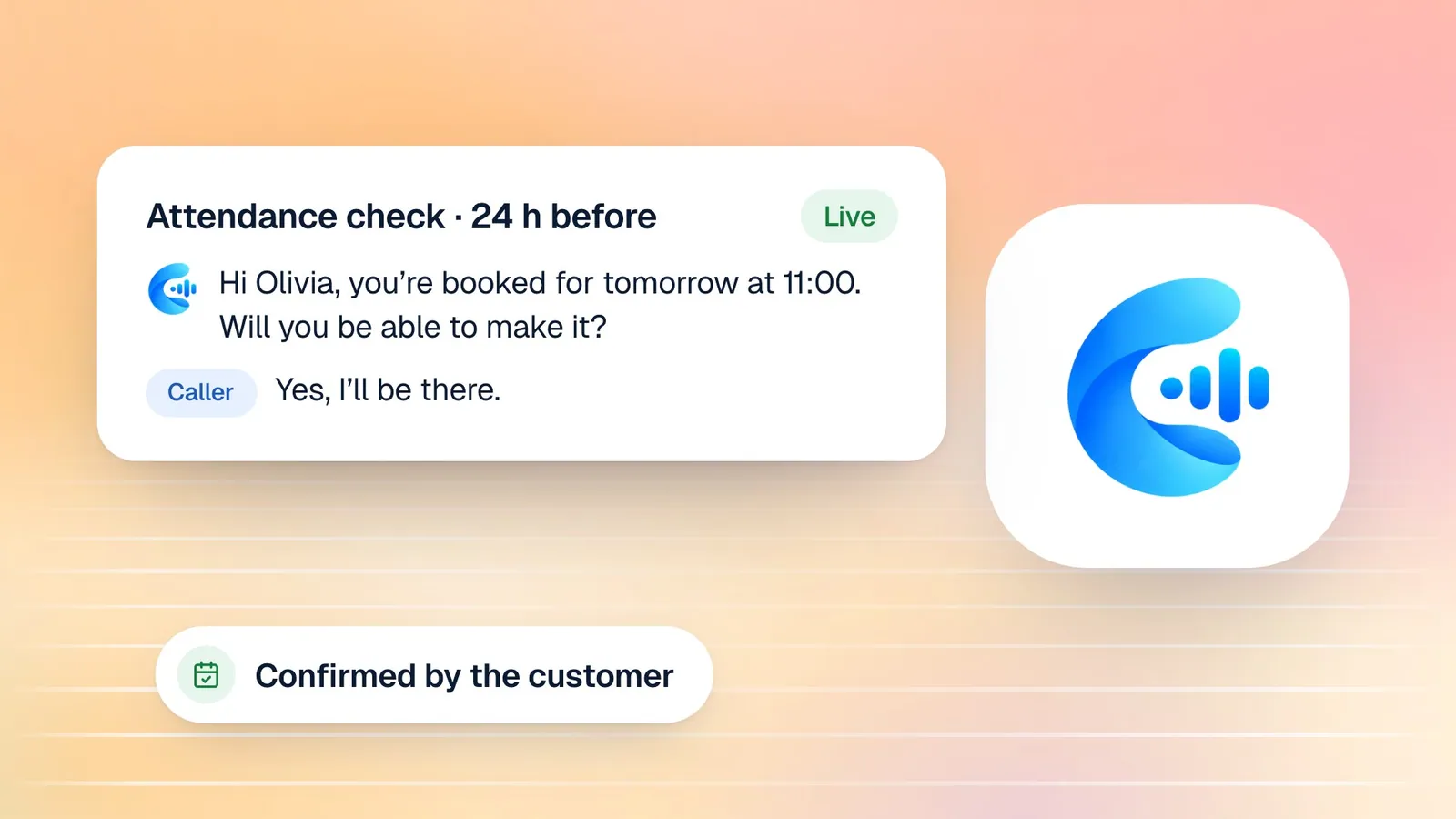
Every booking sends the client a confirmation email straight away and a reminder 24 hours before the appointment. A day ahead, an attendance check asks the client to confirm they are coming: by a short confirmation call from your agent if a phone number is connected, or by an email with a confirmation link if not. The booking then shows whether the client has confirmed, has not yet confirmed, or cannot make it, which gives you time to rebook them and offer the slot to someone else.
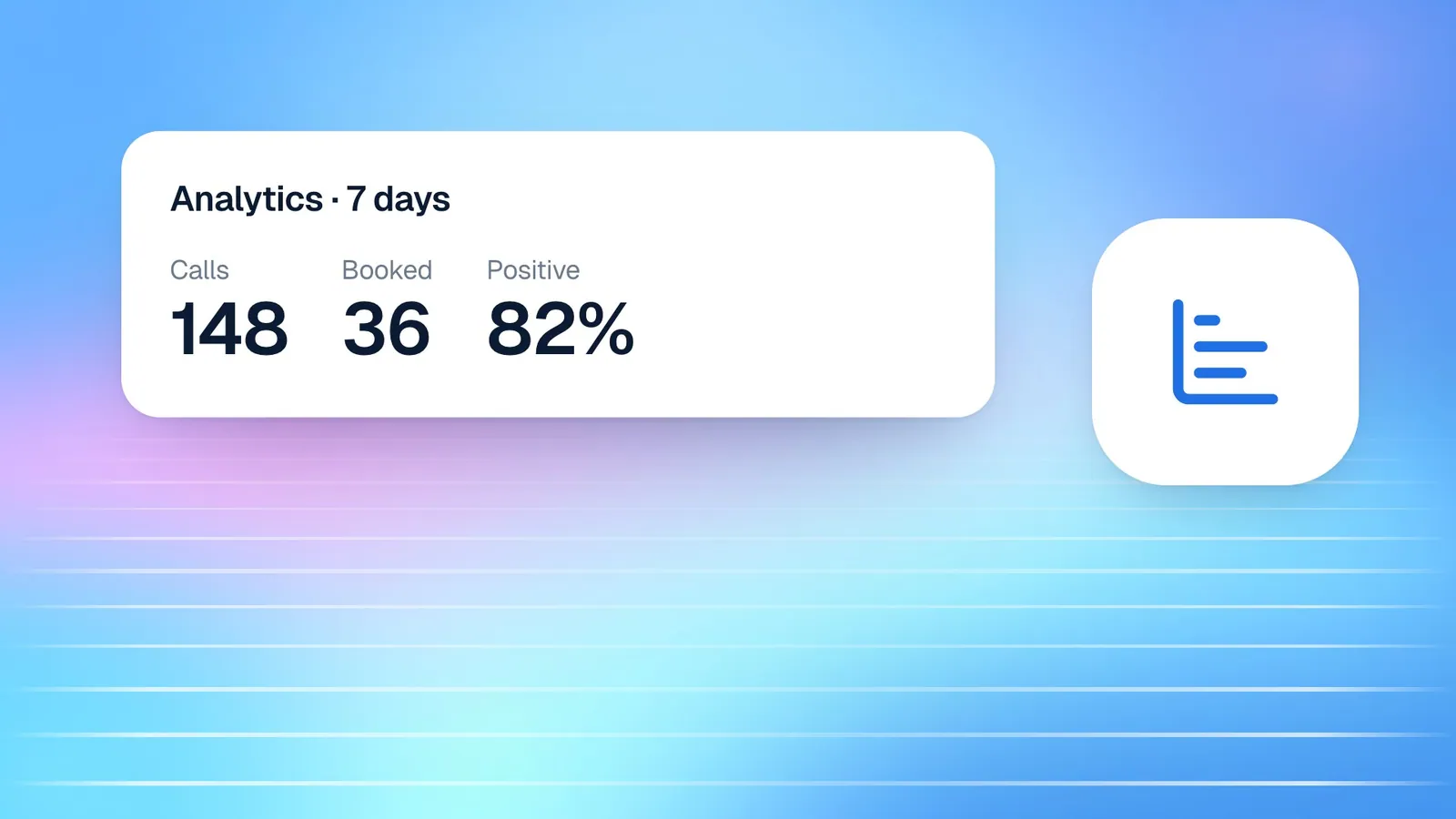
After each appointment, mark the booking as attended or as a no-show. Your Bookings statistics then show attendance and the no-show rate for the last 30 days, so you can see whether your changes are working. If the no-show rate is high for one appointment type, consider a deposit for it.
When a client does miss a session, reach out the same day. A short, friendly message with your booking link, or a task call from your agent asking whether they would like to rebook, often brings them back.
Remember every client
What turns a client into a regular is the feeling of being known. That depends on information: what they came for, what you discussed, what they are working towards and what you promised. Cypher LM keeps that information in one place and puts it in front of you when you need it.
Every call your agent takes gets a recap from Cypher N, with a summary, key points, the client's details and action items. Every meeting you capture gets full notes, written from the whole conversation, saved as a Google Doc and linked to the client. Action items become follow-ups with an owner and a due date, and a daily digest reminds you of what is due.
Before a return visit, Cypher M prepares a brief from all of the client's past conversations with your agent: what they want, open questions, concerns they raised, what was promised and suggested next steps. Reading it takes a minute, and it means you start the session where the last one left off, not with "remind me where we were".
In Contacts, the Returning view shows clients who have been in touch more than once, and each client's timeline lists their calls, bookings, payments, notes and follow-ups. It is the quickest way to see who is engaged and who has gone quiet.
Small gestures based on these records go a long way. Mentioning something the client told you last time, sending the resource you promised the same day, or asking how a decision turned out shows that the relationship continues between sessions. Cypher LM cannot make those gestures for you, but it makes sure you have what you need to make them every time.
How this works in Cypher LM
Bringing it together, a repeat-business setup in Cypher LM uses each product for one part of the job:
- Cypher S: appointment types for first visits and follow-ups, your hours and rules, your booking link, confirmations, reminders and attendance checks.
- Cypher V: an agent that books, moves and cancels appointments on calls at any hour, and answers questions about your services and prices.
- Cypher P: payment links for bundles and standard fees, payment requests for custom amounts, and deposits taken on calls.
- Cypher N: recaps and full meeting notes, action items and follow-ups.
- Cypher M: a brief before every return visit.
- Cypher C: one timeline per client, the Returning view, and private notes for things like bundle balances.
To invite past clients back in bulk, use a campaign in Calls & tasks: your agent works through a list with the same goal, for example asking whether a client would like to book their next check-in, and records the outcome for each. Until a phone number is connected, campaign calls reach clients through a personal call link they open in their browser, and results can be exported as a CSV file.
Start small and build. Many businesses begin with a clear menu and a follow-up booking link, add reminders and briefs in the first month, and introduce bundles and campaigns once they can see from Contacts and Bookings which clients return and which drift away.
Frequently asked questions
Does Cypher LM have a package or bundle feature?
Not a dedicated one. You can sell a bundle with a fixed-amount payment link and book each session as a normal appointment, keeping track of sessions used in the client's contact notes.
Can clients book their next session themselves?
Yes. Share the booking link for your follow-up appointment type, and clients can choose a time based on your real availability, or call your agent and book by voice.
How does Cypher LM reduce no-shows?
Clients receive a confirmation and a reminder 24 hours before, plus an attendance check that asks them to confirm. Marking attended and no-show outcomes keeps your statistics accurate.
Can I prepare for a returning client quickly?
Yes. Cypher M's brief summarises everything the client has told your agent, and the contact's timeline shows their bookings, payments, notes and follow-ups in one place.
Can I reach past clients who have not booked in a while?
Yes. Filter Contacts by last call date to find them, then run a campaign in Calls & tasks or send them your booking link directly.
Conclusion
Repeat clients come from doing the ordinary things well every time: a clear menu, easy booking, simple payment, reliable reminders and a business that remembers. Cypher LM makes each of those consistent without adding work, so your attention can stay on the session itself.
Start by splitting your services into first visits and follow-ups, sharing your follow-up booking link at the end of every session, and reading the brief before each return visit. To try it with your own clients, request a free trial or book a demo.